
TACKLIFE SDP60DC – 4V Max Cordless Screwdriver Rechargeable Black and Orange
- Best Seller Ranking: #6 in Hand Screwdrivers & Nutdrivers
- Brand: TACKLIFE
- Model: SDP60DC
- Type: Precision Screwdrivers
- Color/Finish: Black and Orange
- TACKLIFE SDP60DC – 4V Max Cordless Screwdriver Rechargeable Black and Orange
$14.99
I still remember the day my trusty manual screwdriver betrayed me. There I was, halfway through assembling a bookshelf, my wrist cramping from what felt like the hundredth twist, when I decided enough was enough. The right tool doesn’t just make the job easier—it makes you a better craftsperson. That’s when I discovered the Tacklife Cordless Screwdriver, and my DIY journey was forever changed.
Let me walk you through everything I’ve learned about this game-changing tool after putting it through its paces on countless projects around my home. Whether you’re a weekend warrior looking to upgrade your toolkit or simply tired of hand cramps from manual screwdrivers, I think you’ll find this comprehensive guide helpful.
The Features That Made Me Fall in Love
When I first unboxed my Tacklife Cordless Screwdriver, I was immediately struck by how thoughtfully designed it was. Unlike bulkier power tools that dominate my workspace, this compact wonder fits comfortably in my hand and weighs less than a pound. But don’t let its size fool you—this little powerhouse packs some impressive features.
The 4V MAX lithium-ion battery delivers surprising power for such a compact tool. I’ve found the variable speed settings particularly useful—I can go slow and precise when I’m starting a screw or working with delicate materials, then ramp up the speed to drive screws home quickly when working with sturdier surfaces.
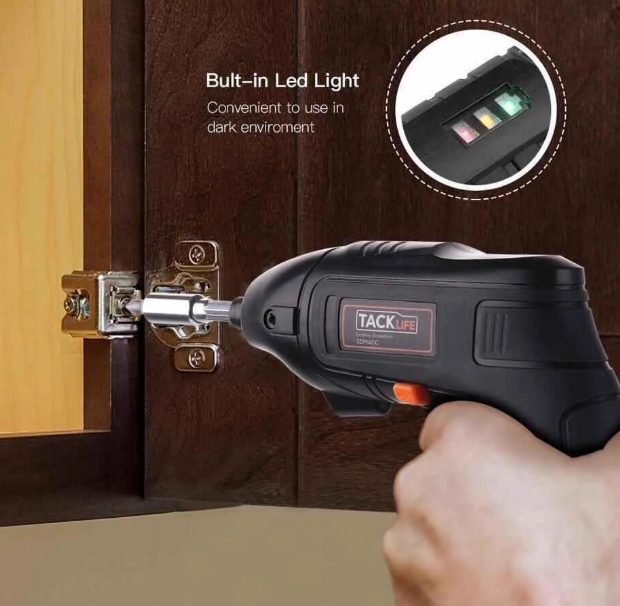
One of my favorite features has to be the LED work light. I can’t count how many times I’ve been working in poorly lit areas (like under my sink or inside a cabinet) where that small but mighty light has saved me from straining my eyes or needing to balance a flashlight while working.
The adjustable torque settings have been a revelation for different projects. When I’m working with soft wood or assembling furniture with pre-drilled holes, I can dial down the torque to prevent over-tightening and damaging materials. For tougher jobs requiring more force, I simply adjust it upward. This flexibility has saved more than a few screwheads from being stripped.
Perhaps the most convenient aspect is the 3.6V fast charging capability. The USB charging port means I can charge it from my laptop, power bank, or any USB wall adapter I have around the house. No more hunting for specific chargers or adapters!
How Tacklife Stacks Up Against the Competition
Before committing to Tacklife, I researched several other brands on the market. Black+Decker, Bosch, and DeWalt all have their own cordless screwdriver offerings, often at higher price points. After comparing specs and hands-on testing, I found that Tacklife delivers comparable performance at a significantly better value.
The Bosch models I looked at were certainly robust, but they came with a premium price tag that seemed excessive for my needs. The Black+Decker options were closer in price but didn’t offer the same torque range or battery life. DeWalt’s offerings felt more geared toward professionals with price points to match.
What ultimately sold me on Tacklife was the balance of quality, features, and affordability. The ergonomic design feels just as comfortable in my hand as more expensive models, and the performance has been equally impressive. After a year of regular use, I haven’t experienced any decline in power or reliability that would make me wish I’d spent more on a premium brand.
Battery Life That Keeps Going (and Going)
I was initially skeptical about how long a 4V battery could last, especially compared to the heftier 12V or 18V tools in my collection. I’m happy to report that my concerns were unfounded. On a full charge, my Tacklife Cordless Screwdriver has consistently handled multiple projects without needing a recharge.
During a recent weekend when I installed shelving throughout my garage (a project involving over 50 screws), the battery didn’t quit on me. I’ve found that for typical household tasks—hanging pictures, assembling furniture, or tightening loose cabinet hardware—one charge easily lasts through several projects.
The lithium-ion battery also holds its charge well when not in use. Unlike some older cordless tools that seem to mysteriously drain between uses, I can pick up my Tacklife after weeks of sitting in my drawer and find it ready to go. This reliability has made it my go-to tool for quick fixes around the house.
When it does need charging, the process is quick and convenient. A full charge takes approximately 1.5-2 hours, but I’ve found that even a 30-minute charge is usually enough to get through a small project in a pinch.
My DIY Projects Transformed
Since adding the Tacklife Cordless Screwdriver to my toolkit, I’ve tackled projects that I would have previously procrastinated on or outsourced. Let me share a few examples of how this tool has expanded my DIY capabilities:
Furniture Assembly
Remember those flat-pack furniture nightmares with hundreds of screws? What used to take me hours of hand-cramping work now takes a fraction of the time. The Tacklife’s compact size allows me to reach into tight corners of furniture frames that my larger drill couldn’t access. The precise torque control prevents over-tightening, which has saved me from splitting more than a few pieces of particleboard.
Last month, I assembled an entire home office setup—desk, bookshelf, and filing cabinet—in a single afternoon. Without my Tacklife, that would have been a weekend-consuming ordeal.
Home Maintenance
From tightening loose door hinges to adjusting cabinet hardware, the Tacklife has become my go-to for quick fixes around the house. The LED work light has been particularly useful for illuminating dark corners and cabinet interiors. When my bathroom towel rack came loose, I was able to quickly tighten the mounting screws without marking up the wall by switching to the lower torque setting.
Electronics Repair
The precision of the Tacklife has even allowed me to tackle some light electronics repair. When my laptop was overheating, I used the included precision bits to carefully remove the back panel and clean the cooling fans. The variable speed control gave me the confidence to work with these delicate components without stripping the tiny screws.
Deck Restoration
Perhaps the most ambitious project I’ve used my Tacklife for was restoring my backyard deck. While I did use a larger drill for the structural repairs, the Tacklife was perfect for the detail work—installing decorative hardware, adjusting rail fixtures, and mounting solar lights along the steps. Its lightweight design meant I could work for hours without fatigue, even when reaching overhead or working at awkward angles.
Where to Find Your Own Tacklife Companion
After experiencing the benefits firsthand, several friends have asked where they can get their own Tacklife Cordless Screwdriver. While I purchased mine from Amazon during a flash sale (getting an excellent deal in the process), I’ve since seen them available at Home Depot, Lowe’s, and directly from the Tacklife website.
The best deals I’ve found have typically been online, with Amazon and the official Tacklife site occasionally offering bundle packages that include additional bits or accessories. If you prefer to see and feel the tool before purchasing, most major hardware stores have display models you can handle.
Price-wise, you can expect to pay between $30-50 depending on the specific model and included accessories. Compared to other brands that can cost $70-100 for similar functionality, the value proposition is clear. My advice: watch for seasonal sales around Black Friday, Father’s Day, or Memorial Day when these tools are often discounted.
Real User Experiences (Beyond Just Mine)
While my experience has been overwhelmingly positive, I wanted to make sure I wasn’t just lucky with my particular unit. I’ve joined several DIY forums and social media groups where Tacklife users share their experiences, and the consensus seems to align with my own assessment.
Many users praise the battery life and ergonomic design, particularly those with arthritis or limited hand strength who find manual screwdrivers painful to use. The most common compliment I see relates to the value—people consistently mention how the Tacklife delivers performance comparable to more expensive brands.
Of course, no tool is perfect. Some users mention wishing for a bit more torque for very tough applications, though most acknowledge that’s not really what this tool is designed for. A few have reported issues with the chuck loosening during use, though this hasn’t been my experience. The most common criticism seems to be about the charging time, with some users wishing it charged more quickly.
Overall, the reviews tend to be 4 or 5 stars, with many users, like me, becoming unexpected brand advocates after their positive experiences.
Charging Time: The Real Story
Let’s talk specifics about charging. According to the manual, a full charge takes approximately 2 hours. In my experience, this is fairly accurate, though sometimes it’s ready in as little as 90 minutes depending on how depleted the battery was.
What’s been most useful to me is understanding the charging indicators. The LED light on the charger stays red while charging and turns green when complete. I’ve developed a habit of plugging it in overnight after completing a project, ensuring it’s always ready for the next job.
One charging hack I’ve discovered: if you’re in a hurry, even a 15-minute charge can provide enough power for small tasks like tightening a few screws. The lithium-ion battery charges quickly at the beginning of the cycle, giving you usable power before reaching full capacity.
The USB charging capability has been particularly convenient for me. I keep a multi-port USB charger in my workshop, allowing me to charge my Tacklife alongside my phone and other devices. When working on projects away from home, I can even charge it from my car’s USB port or a portable power bank.
Professional Grade or Weekend Warrior Tool?
As someone who straddles the line between serious DIYer and occasional professional work, I’ve often wondered if the Tacklife could stand up to professional demands. After extensive use, I’d say it depends entirely on your specific needs.
For professionals who need a compact secondary tool for detail work or tight spaces, the Tacklife is an excellent addition to a larger toolkit. Electricians, cabinet installers, and finish carpenters might find it particularly useful for precision tasks where bulkier tools are overkill.
However, if you’re looking for a primary driver for all-day construction work or heavy-duty applications, you might find the Tacklife’s torque limitations frustrating. Its sweet spot is definitely light to medium-duty tasks, where its compact size and precision are advantages rather than limitations.
For weekend warriors and home DIYers like myself, it hits the perfect balance. It’s substantial enough to handle virtually all household projects while being affordable enough that I don’t feel I’ve over-invested in a tool that sees intermittent use.
Understanding the Warranty Coverage
Peace of mind comes standard with Tacklife products, which typically include a 24-month warranty. When I registered my purchase on their website, I discovered they actually offer an extended 30-month warranty for registered products—a nice bonus I wasn’t expecting.
The warranty covers manufacturing defects and failure under normal use, though it excludes wear and tear or damage from misuse. I haven’t needed to use the warranty service personally, but forum members report that the customer service team is responsive and generally resolves issues promptly.
One tip: keep your receipt and original packaging if possible. While I haven’t needed to make a claim, having documentation of your purchase date and model number can streamline the process if you ever do need warranty service.
The Real Cost Consideration
At around $35-45 for the standard model (prices vary based on retailers and sales), the Tacklife Cordless Screwdriver represents an excellent value in my experience. The cost savings become even more apparent when you consider the time efficiency it provides.
For perspective, I recently helped a neighbor assemble a large entertainment center. What would have taken us 3-4 hours with manual screwdrivers took just under an hour with my Tacklife. If you value your time (and wrist comfort) at even a modest rate, the tool pays for itself after just a few projects.
The long-term value equation also includes durability. After more than a year of regular use, my Tacklife shows minimal wear and performs just as well as it did out of the box. Considering some cheaper tools might need replacement after a year, the slightly higher initial investment in a quality tool like Tacklife makes financial sense.
Heavy-Duty Capabilities: Testing the Limits
While the Tacklife Cordless Screwdriver isn’t marketed as a heavy-duty tool, I’ve occasionally pushed it beyond its intended use to see where it falters. Understanding these limitations has helped me know when to reach for this tool versus when to opt for my more powerful drill/driver.
In terms of material hardness, I’ve successfully used it to drive screws into pine, plywood, and even oak with pre-drilled pilot holes. It struggles with hardwoods like maple without pilot holes, and I wouldn’t attempt to use it for masonry or concrete work.
For screw size, it comfortably handles up to #10 wood screws in soft materials. Anything larger than that, particularly in hardwood, is asking too much of this compact tool. I once attempted to drive some 3-inch deck screws with it as an experiment—it managed a few but began to heat up quickly, signaling I was exceeding its design parameters.
Where I’ve been most impressed is its endurance. During my deck project, I drove over 70 small screws consecutively without any noticeable decrease in performance or battery life. This kind of stamina makes it perfect for repetitive tasks like cabinet hardware installation or furniture assembly.
The Accessory Ecosystem: What’s Included and What’s Worth Adding
My Tacklife came with a respectable starter set of accessories, including six commonly used driver bits (both Phillips and flathead in various sizes), a bit extension for reaching recessed screws, and a USB charging cable.
After using it for several projects, I decided to expand my accessory collection. I invested in a more comprehensive bit set that includes Torx, hex, and square drive bits, which has proven invaluable for working on different types of hardware. The magnetic bit holder has been particularly useful for preventing dropped screws in awkward positions.
One accessory I highly recommend adding is a right-angle attachment. This allows you to use the screwdriver in tight spaces where a straight approach isn’t possible, like between cabinets or behind appliances. I found an affordable third-party option that works perfectly with my Tacklife.
If you’re considering purchasing a Tacklife, I’d suggest looking for bundle deals that include expanded bit sets. The incremental cost is usually minimal, and having the right bit for every situation significantly expands the tool’s versatility.
Troubleshooting Common Issues
Even the best tools occasionally have hiccups. While my Tacklife has been remarkably reliable, I’ve encountered a few minor issues and developed solutions that might help others:
When It Won’t Turn On
The first time this happened to me, I panicked briefly before realizing the issue was simple: the forward/reverse switch was in the center position, which serves as a safety lock. Moving it fully to either forward or reverse position resolved the problem immediately.
If your Tacklife won’t turn on despite being charged and having the direction switch in the correct position, try holding the power button for a few seconds. Some models have a power-saving feature that requires a longer press to activate after periods of disuse.
When Bits Keep Slipping
Occasionally, I’ve had bits come loose during use, particularly when applying significant pressure. The solution is straightforward: ensure the chuck is fully tightened before use. I’ve found that giving it an extra twist by hand after inserting the bit prevents most slipping issues.
For particularly stubborn bits that keep slipping, applying a tiny drop of rosin (the same kind string musicians use) to the bit shaft creates just enough friction to keep everything secure without making bit changes difficult.
When Battery Life Suddenly Decreases
If you notice a sudden decrease in battery life or performance, the issue might be related to heat. During extended use, these tools can get warm, which affects battery efficiency. I’ve found that taking short breaks during longer projects allows the tool to cool down and preserves battery life.
Another potential cause of decreased battery performance is charging habits. Lithium-ion batteries generally prefer partial discharges and recharges rather than being completely drained. I try to recharge mine when it shows signs of slowing down rather than waiting until it’s completely dead.
Torque Settings: Finding Your Sweet Spot
The adjustable torque control on the Tacklife has been one of its most valuable features for me. Understanding how to use it effectively has prevented countless stripped screws and damaged materials.
Most models offer between 5-7 torque settings. Through trial and error, I’ve developed a rough guide for which settings work best for different applications:
- Settings 1-2: Ideal for electronics, lightweight plastics, or any delicate material where overtightening could cause damage.
- Settings 3-4: Perfect for general household use, including furniture assembly, light fixtures, and most wood applications with pre-drilled holes.
- Settings 5-7: Reserved for harder materials or larger screws where maximum torque is needed.
I typically start at a lower setting than I think I’ll need and gradually increase if necessary. It’s much easier to increase torque than to deal with a stripped screw or cracked material from too much force.
For furniture assembly specifically, I’ve found setting 3 to be the sweet spot—enough power to seat screws firmly without risking damage to particleboard or veneer surfaces.
Furniture Assembly: A Perfect Match
If there’s one application where the Tacklife truly shines, it’s furniture assembly. The combination of compact size, adjustable torque, and ergonomic design makes it ideal for the stop-and-start nature of following assembly instructions.
When I tackled a notoriously complex IKEA wardrobe (you know the one—with about 200 various fasteners), the Tacklife’s lightweight design prevented the arm fatigue I would have experienced with a heavier drill. The precision tip allowed me to start screws accurately without pre-drilling, and the LED light illuminated the often cryptic pre-drilled holes hidden in dark corners of the components.
The variable speed trigger proved particularly valuable during furniture assembly. Starting screws slowly helped avoid the dreaded “walking” effect where screws slide across smooth surfaces, then increasing speed once the screw was seated saved significant time.
For anyone who regularly assembles flat-pack furniture, I would go so far as to say that a tool like the Tacklife isn’t just convenient—it’s essential. The time savings alone justified the purchase price after just a few assembly projects.
Maintenance for Longevity
To keep my Tacklife performing optimally over the long term, I’ve developed a simple maintenance routine that takes just a few minutes after each significant use:
- Clean the chuck and bit holder using compressed air or a small brush to remove dust and debris that could affect grip.
- Wipe down the exterior with a slightly damp cloth to prevent dust buildup, being careful not to let moisture enter the vents.
- Inspect the charging port for lint or debris that might interfere with the connection.
- Store it in a dry place away from extreme temperatures, which can affect battery life.
I also periodically check the screws on the housing to ensure they haven’t loosened from vibration during use. Once every few months, I apply a tiny amount of machine oil to the chuck mechanism to keep it operating smoothly.
This minimal maintenance regimen has kept my Tacklife performing like new despite regular use across diverse projects. The few minutes invested in care have definitely extended the tool’s useful life.
Bit Compatibility and Options
One concern I had before purchasing was whether the Tacklife would accept standard bits or require proprietary accessories. I was pleased to discover it uses standard 1/4-inch hex bits, making it compatible with virtually any bit set on the market.
This compatibility has allowed me to expand my capabilities without being locked into a specific brand’s accessories. I’ve successfully used bits from DeWalt, Bosch, and various other manufacturers without any issues. The magnetic bit holder that comes with most Tacklife models makes switching between bits quick and straightforward.
For specialized projects, I’ve added security bits (for tamper-resistant screws), extra-long bits for reaching recessed fasteners, and even a set of precision bits for electronics work. This flexibility has made the Tacklife the most versatile compact driver in my collection.
If you’re new to power tools, I’d recommend investing in a comprehensive bit set that includes Phillips, flathead, Torx, hex, and square drive bits in various sizes. This combination will handle 99% of the fasteners you’re likely to encounter in typical DIY projects.
Charging Methods: Flexibility Matters
The USB charging capability of the Tacklife has proven more valuable than I initially anticipated. Unlike tools with proprietary charging systems, I can charge my Tacklife anywhere I have access to USB power.
This flexibility has saved me in several situations:
- When working on a project at a friend’s house, I was able to recharge using their phone charger during lunch.
- During a power outage, I charged it from a portable power bank so I could continue installing emergency lighting.
- On a camping trip, I used my car’s USB port to charge it before assembling a portable shelter.
The standard charging time of 1.5-2 hours is acceptable, though not as quick as some premium brands that offer fast-charging options. I’ve found that a 30-minute charge typically provides enough power for small projects if you’re in a hurry.
One charging tip I’ve discovered: using a higher-amperage USB charger (like those designed for tablets) can reduce charging time by about 25% compared to standard phone chargers. Just be sure not to use quick-charge adapters that exceed the tool’s voltage specifications.
Weight Comparison: A True Lightweight Champion
At approximately 0.8 pounds (about 365 grams), the Tacklife Cordless Screwdriver is significantly lighter than most competitors in its class. For comparison:
- The Black+Decker 4V MAX cordless screwdriver weighs about 1.1 pounds
- The Bosch Go 3.6V weighs approximately 1 pound
- The DeWalt 8V MAX Gyroscopic weighs nearly 1.4 pounds
This weight difference might seem minimal on paper, but after an hour of overhead work or detailed assembly, my wrist and arm certainly notice the difference. The lightweight design has made it possible for me to complete extended projects without the fatigue I’ve experienced with heavier tools.
The compact size (typically around 7 inches long) also contributes to its maneuverability in tight spaces. I’ve been able to reach screws in cabinet corners and behind appliances that would have been inaccessible with bulkier drivers.
For anyone with limited hand strength, arthritis, or who simply values comfort during extended use, the Tacklife’s lightweight design is one of its strongest selling points.
Safety First: Using Your Tacklife Responsibly
While the Tacklife Cordless Screwdriver is less intimidating than larger power tools, proper safety practices are still important. Here are the safety guidelines I follow that have kept my projects injury-free:
Eye Protection
Even for quick jobs, I always wear safety glasses. Small debris, metal shavings, or even broken bits can become projectiles during use. This simple precaution has protected my eyes on several occasions when screws or bits unexpectedly shattered.
Secure Workpieces
Before driving screws, I ensure the workpiece is properly secured. A moving workpiece can cause the bit to slip, potentially resulting in stripped screws or minor injuries. Clamps or a second pair of hands are invaluable for holding materials steady.
Proper Grip and Positioning
I maintain a firm grip with both hands when possible—one on the tool and one stabilizing the workpiece near the driving point. This control prevents slips and ensures accurate screw placement.
Battery Safety
To prevent electrical hazards, I never charge the Tacklife in wet environments or expose it to water. I also avoid leaving it charging for extended periods beyond what’s necessary to reach full capacity.
Keep Clear of Moving Parts
Though it seems obvious, I’m always mindful to keep fingers, hair, and loose clothing away from the rotating bit. The Tacklife’s compact size sometimes makes it easy to forget it’s a power tool with moving parts that can catch loose items.
By following these simple safety practices, I’ve enjoyed all the benefits of my Tacklife without any of the potential downsides. Remember, even the most user-friendly tools require respect and proper handling.
Final Thoughts: Why I Recommend the Tacklife to Everyone
After extensive use across countless projects, the Tacklife Cordless Screwdriver has earned a permanent place in my tool collection. Its combination of affordability, versatility, and performance makes it an ideal entry point for beginners while still offering enough capability to satisfy experienced DIYers.
What I appreciate most is how it’s expanded my willingness to tackle projects. Tasks that once seemed tedious or intimidating now feel approachable. From furniture assembly to home repairs, having the right tool has truly made all the difference.
If you’re on the fence about investing in a cordless screwdriver, I hope my experience helps you make an informed decision. The Tacklife isn’t just a tool—it’s a gateway to greater self-sufficiency and the satisfaction of creating and maintaining your space with your own hands.
Whether you’re hanging a picture frame, assembling furniture, or embarking on more ambitious DIY adventures, this reliable little powerhouse will likely exceed your expectations, just as it has mine. Happy building!